


Organizing with Worksets and Phasing
Once the basics are in place, the next question is: is the model organized in a way that supports real-world workflows?
A key part of any model audit is verifying worksets and phasing—two systems that bring order to complexity.
The Role of Worksets
Worksets function like layers, allowing teams to divide responsibility, visibility, and scope.
In a well-structured model:
-
Architectural, structural, and MEP elements each live in their own worksets.
-
Site elements aren’t mixed with interiors.
-
Temporary elements stay separate from permanent ones.
When elements are misfiled—like windows ending up in a structural workset—it creates confusion and slows collaboration.
Audits catch these misplacements and help restore order.
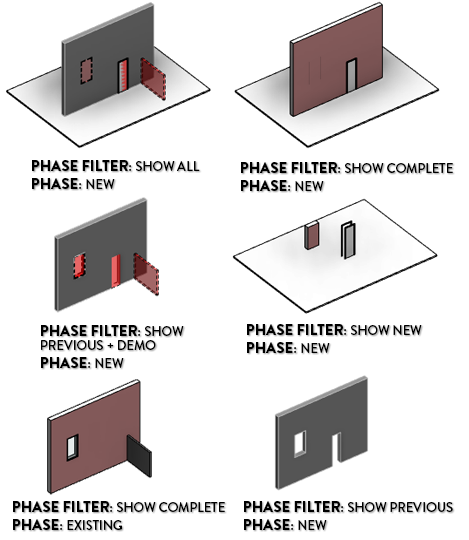
The Role of Phasing
Construction doesn’t happen all at once.
Phasing in BIM lets you model the lifecycle of a project—existing conditions, demolition, and new construction.
A wall marked for demolition should never appear in the “new construction” phase. Likewise, existing elements must be clearly labeled so drawings accurately reflect the scope of work.
Mis-phased elements don’t just confuse drawings—they can distort schedules, material quantities, and stakeholder expectations.
Why Organization Matters
Think of worksets and phasing as the filing system of BIM.
Without them, even a geometrically perfect model becomes chaotic.
Proper organization makes the model usable for coordination meetings, construction documents, and eventually facilities management, ensuring that everyone can rely on it as a single source of truth.
Conclusion
This second stage of a model audit is all about clarity.
It ensures the model doesn’t just depict the right elements, but that those elements are logically organized into worksets and phases that reflect how the project will actually be built.