


This is a part 1 of a 3 part series covering asset management and digital twins in design and construction.
What is asset management?
Asset management is the systematic process of developing, operating, maintaining, and disposing of an organization's assets. Think of asset management as the "what" and "why" of managing an asset, and a digital twin as a "how" that provides a real-time, data-driven tool to perform asset management tasks more effectively. Digital twins are used to provide asset managers with real-time data, predictive maintenance capabilities, and simulation tools for better decision-making.
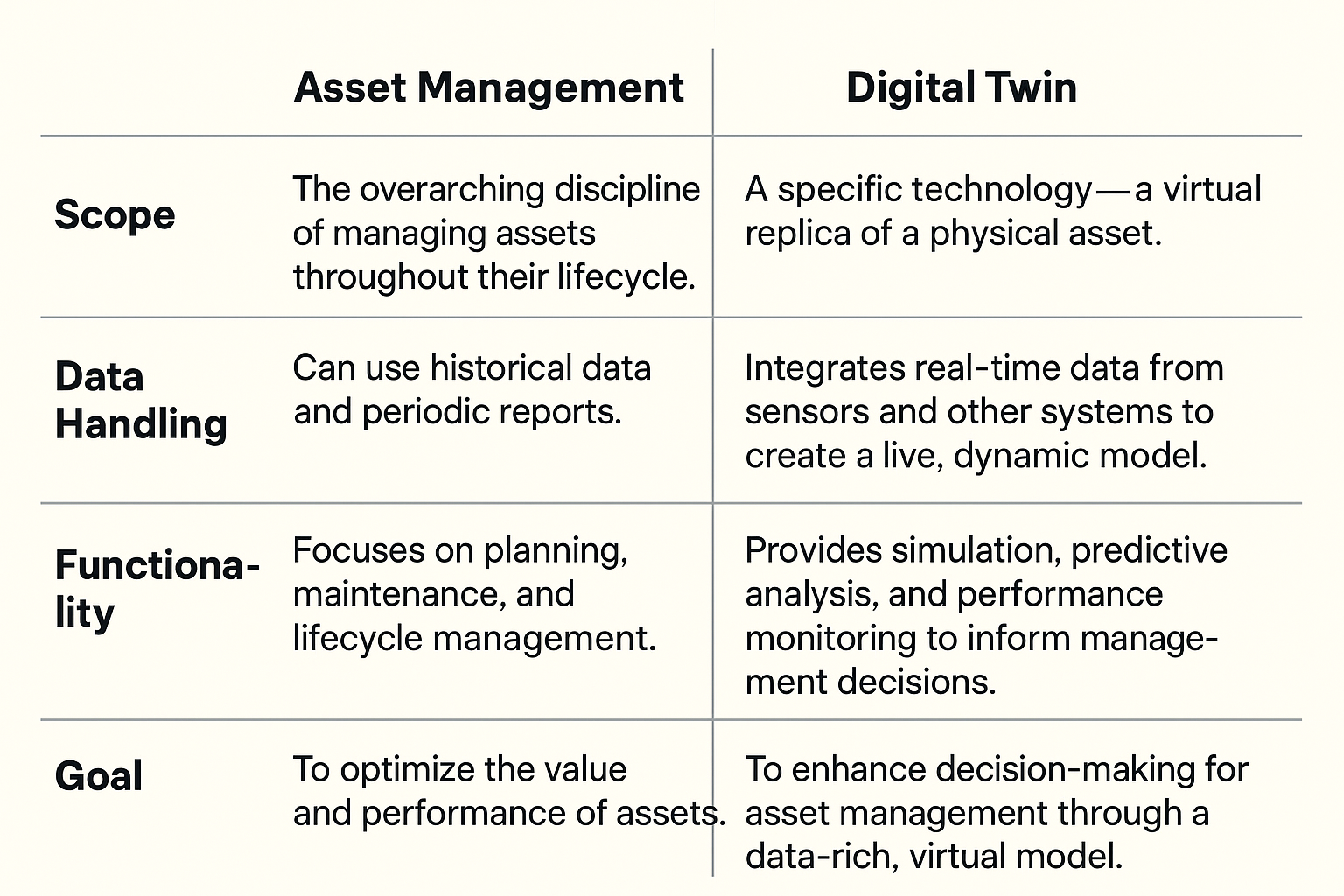
The modern building is a living and breathing technological organism. AI is the brain, sensors and cameras are providing the five senses, the Internet of Things (IoT) are the neurotransmitters that carry messages to response mechanisms - the building’s organs. For example, in an office project, it would be crucial to have temperature and time sensors for effective daylighting control - curtains can go up and down to achieve a specific desired temperature range based on the time, season, and space occupancy percentage.
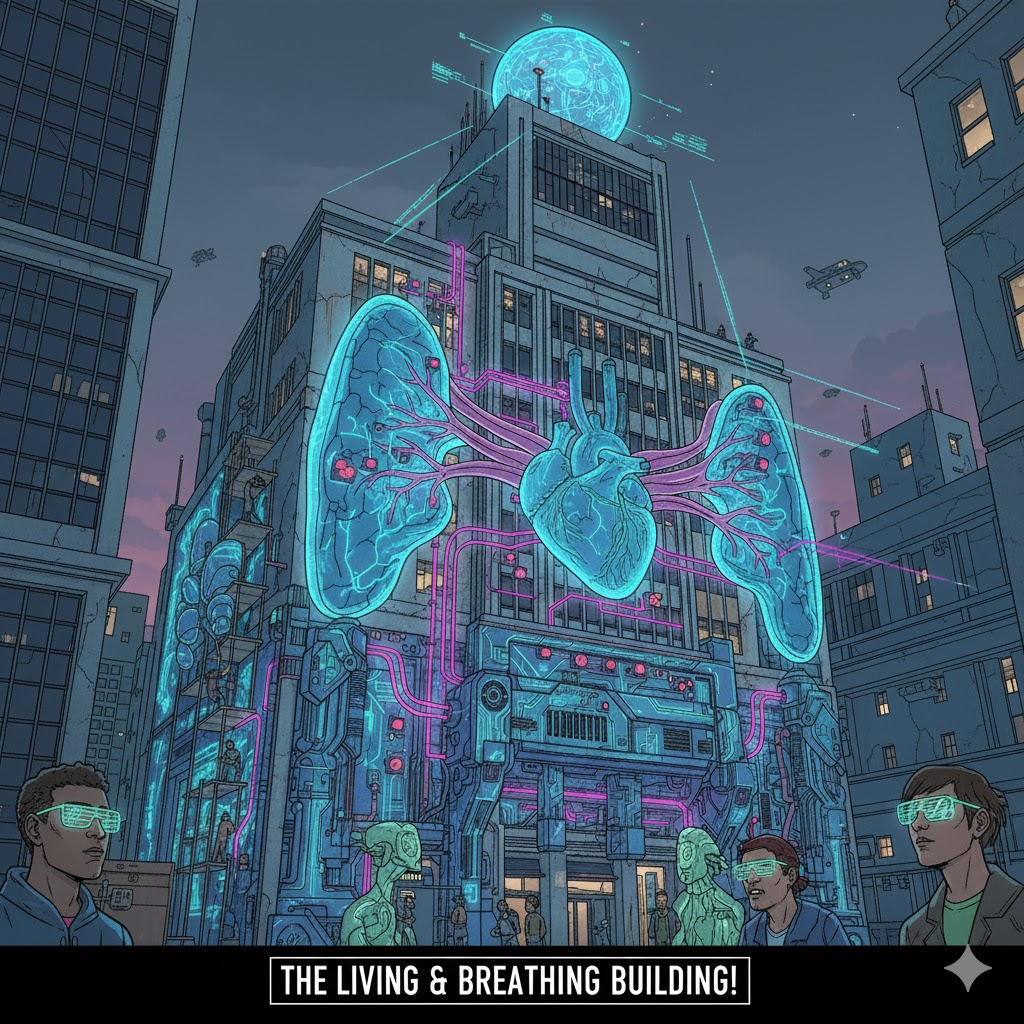
In sum, asset management is the digital foundation for building technology implementation.
Design to Construction
What type of projects require asset management?
The first thing to consider is whether the project actually benefits from and requires asset management. The more complex the workings of a building, the more asset management required. So why take on asset management in the first place? The work to set up sunlight sensors and automated curtain controls might not be worth the investment for the typical small residence - people can just set the 1 set of curtains in the house if there’s too much sunlight.

But take for example a data center project: keeping track of the heat being offset from the machines is critical to avoiding chip failure. Asset management provides the digital infrastructure for tracking which specific machines in which rooms have a potentially dangerous temperature reading. The managed asset data provides the infrastructure for triggering responses, like turning on the air conditioning or even sprinklers to avoid a major fire emergency.
At what point should the asset management begin?
Asset Management begins in the design phase. But most design firms will reject the notion of taking on any sort of asset management exercise as a part of their contracts. The pushback from architects is understandable - there are already too many things to consider while designing the space that there’s no room or budget to consider how the technology will be integrated as well. It is challenging to consider all the cameras, switches, and levers that can quickly clutter a space with appendages sticking out of walls and ceilings, but it is possible to plan for them and keep them discreet from the building’s occupants and “inside the walls”.
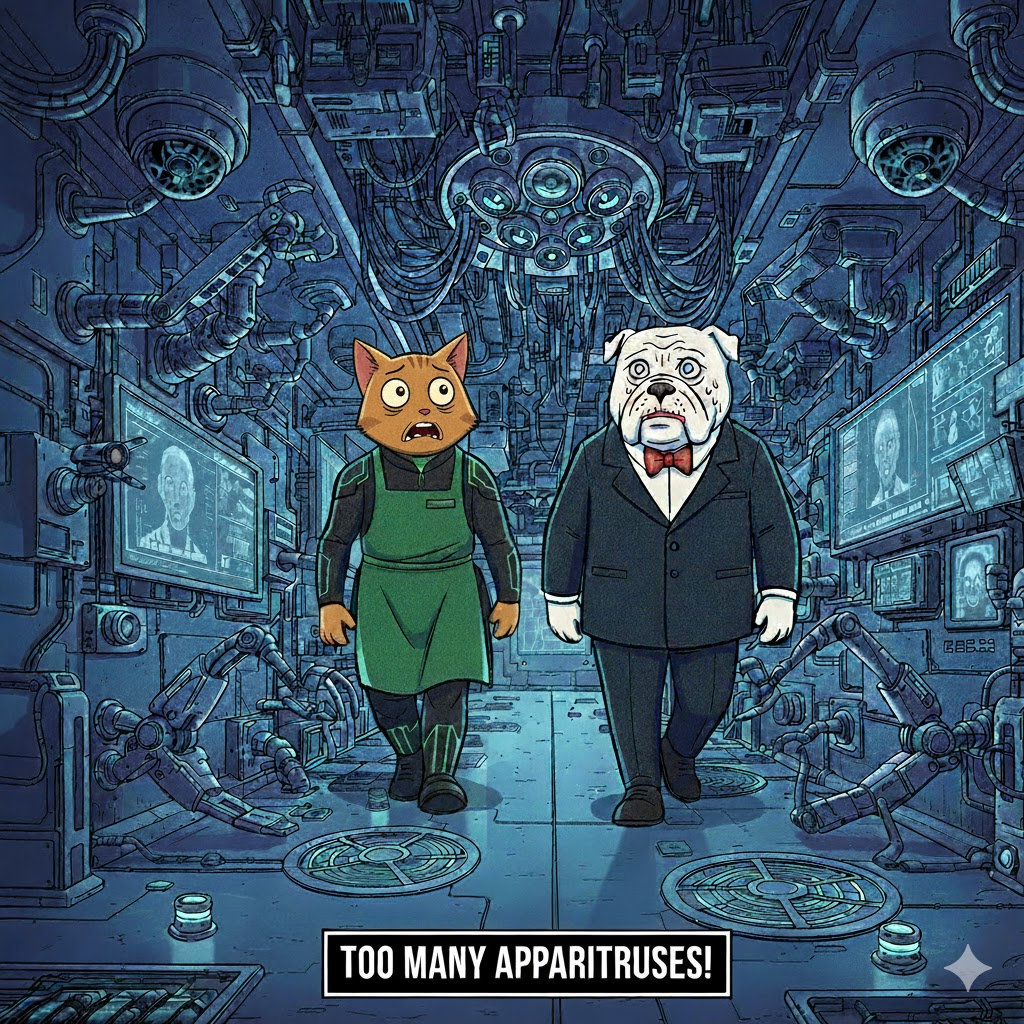
Architectural designers deserve recognition for their role in integrating advanced building technologies. The designer’s focus and task is primarily on the spatial character of the built environment, but many architects are providing more by considering the needs of modern day technologically integrated buildings in their designs. Many of today’s switches, sensors, and control systems are successfully managed out of sight through phones and centralized servers. Indeed, as buildings become increasingly smart and interconnected, technology can no longer be treated as an afterthought.
Asset management is the key to connecting BIM into the real world.
BIM software like Revit isn’t ideal for performing asset management directly, but it serves as an excellent platform for housing the necessary data. Rather than focusing on the visual model or graphic representation, it’s the information embedded within each Revit element that holds real value. The building information model serves as the bridge to transfer the design, count, and scheduled asset data into dedicated asset management systems such as Hexagon.
One last example of a project that needs asset management: a prison project. It would be critical to track identification metrics for security, sign in / sign out items for assets like police vehicles and firearms. Facilities management is critical for the security, safety, and well-being for all of the building’s occupants. Digitizing the building’s infrastructural needs avoids human error, facilitates communication, and maintains order and stability.

In Summary
Architect Frank Lloyd Wright emphasized that interior design should not be separated from architecture — and in the same way, technology should now be considered an integral part of architecture, much like the veins in a human body. To address challenges like global climate change, AI-driven systems will be essential for optimizing building performance. One caveat: these technologies should remain discreet and unobtrusive, operating “within the walls” to enhance sustainability and building function without intruding on the human experience. Asset management is the backdrop for connecting BIM into the real world for the goal of effective building-technology integration.