


In today’s construction industry, the ability to manage complexity while maintaining clarity between owners, architects, and builders is critical. Building Information Modeling (BIM) has proven to be one of the most effective tools for aligning teams and preventing costly rework. While many firms adopt BIM midstream, the greatest value comes when BIM is implemented from day one of a project. By integrating BIM early, owners engineers, contractors and architects can set clear expectations, establish repeatable standards, and reduce downstream risks that often plague late-stage coordination.
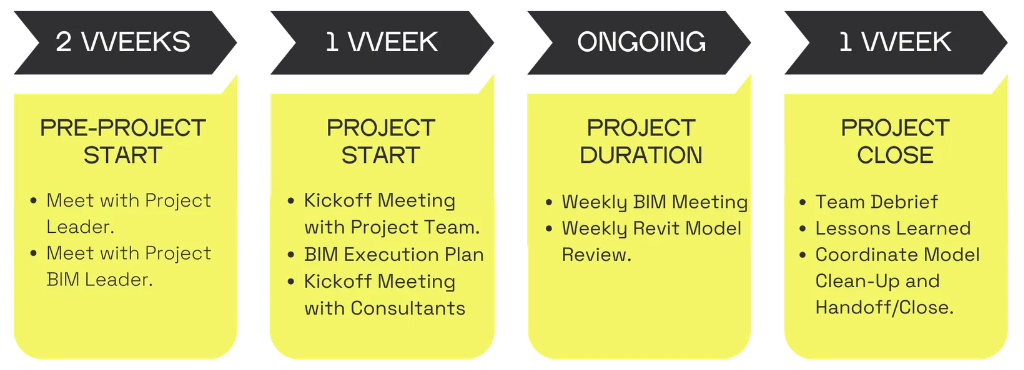
1. Building on Standards, Not Reinventing the Wheel
Early BIM adoption does not mean restricting creativity or locking a project into rigid parameters too soon. Instead, it establishes a backbone of standards that supports flexibility. Owners and architects can still explore “blue sky” designs, test alternatives, and make edits freely, but those ideas are built on a consistent framework. Just as color preferences follow a palette, BIM standards provide controls to visualize options, generate updates, and evaluate changes in real time. This foundation ensures that creative exploration is both structured and efficient, minimizing the reinvention of processes with every new project.
2. Leveraging Lessons Learned Through Content Libraries
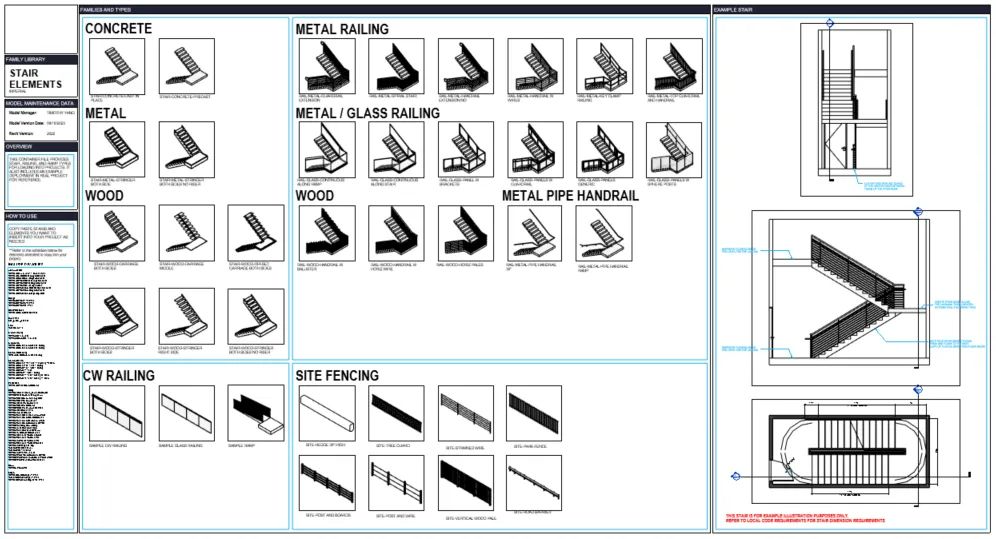
Another advantage of starting early is the ability to draw on accumulated knowledge. With each completed project, BIM teams expand their Content Libraries, collections of parametric families, details, and specifications that embed prior experience into future work. Establishing the Content Library at the start of a project allows designers to reuse proven components, eliminating redundant work while ensuring consistency. Since BIM thrives on being front-loaded with accurate content, an early investment in library setup means fewer data gaps later and more reliable outputs. At the same time, it allows teams to refine standards by learning from past inefficiencies, ensuring the library evolves as a living resource.

3. Streamlining Documentation and Design Efficiency
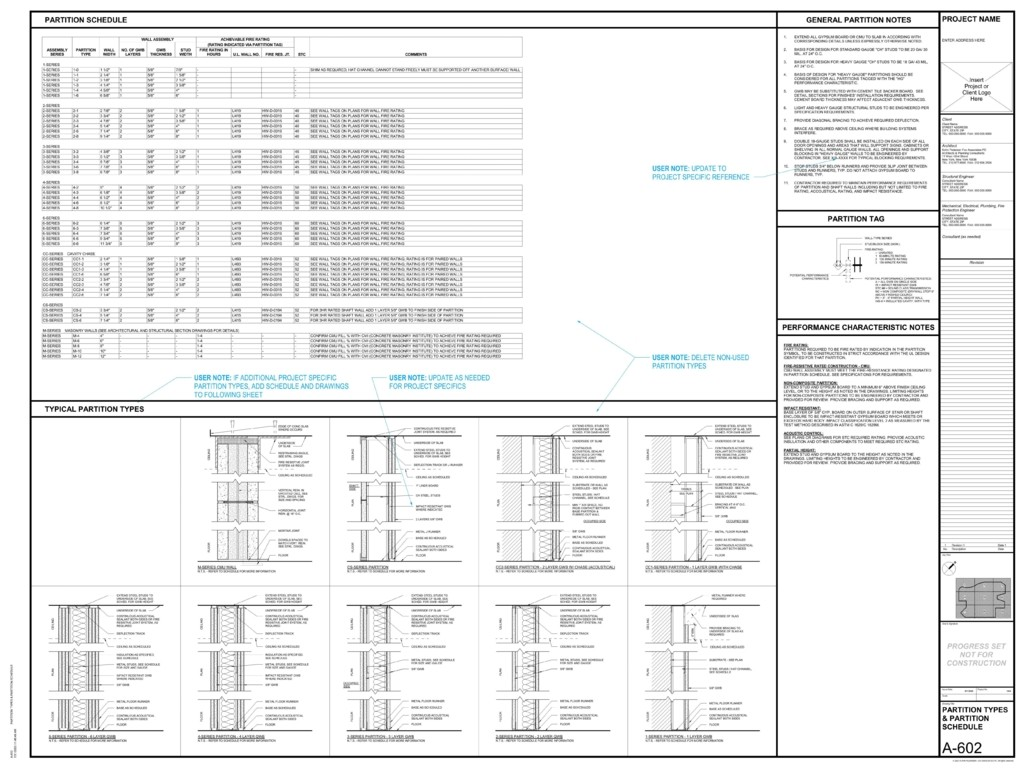
Efficiency in BIM does not mean cutting corners; it means avoiding unnecessary repetition. By beginning a project with preloaded documentation standards—sheet sets, view templates, and drawing conventions, teams avoid starting from scratch. Instead of rebuilding documentation structures, architects can focus on design intent, confident that the framework for deliverables is already in place. This streamlining accelerates workflows and allows projects to move smoothly from schematic design to construction documentation without wasted effort or risk of misalignment.
4. Clarifying Goals Through a BIM Execution Plan (BEP)
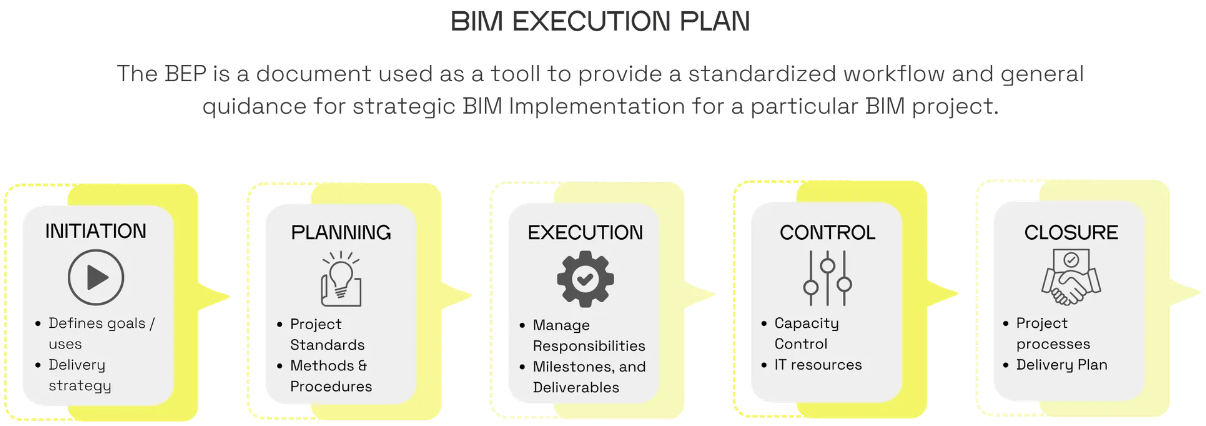
Perhaps the most underestimated benefit of early BIM planning is the clarity it provides through a BIM Execution Plan. A well-structured BEP outlines the goals, expectations, and deliverables of BIM from the outset, reducing uncertainty for owners and easing the pressure on designers. Revit, when guided by a clear BEP, becomes not a constraint but a cleansing process, bringing scattered ideas into a coordinated, constructible model. Instead of struggling with disjointed workflows, design teams can work with confidence, knowing that their efforts contribute to a larger coordinated vision.
When BIM is embraced at the very start of a project, the advantages ripple throughout the design and construction lifecycle. Owners gain predictability, architects retain design freedom within a clear framework, and project teams avoid the costly cycle of rework and miscommunication. From established standards to reusable content libraries, from documentation efficiency to the clarity of a BIM Execution Plan, early adoption of BIM sets the tone for success. In the end, starting early with BIM is not just a matter of saving time and money, it is about shaping a process that elevates creativity, consistency, and confidence across every phase of a project.