


Artificial Intelligence (AI) is everywhere in today’s headlines, but in the world of Virtual Design and Construction (VDC), the real question is: where does it actually make a difference? The answer lies not in futuristic promises, but in practical tools already helping project teams today.
Predicting Risks Before They Become Problems
One of AI’s strongest suits is pattern recognition. In construction, this means analyzing data from past projects to anticipate potential risks. For example, AI tools can flag scheduling conflicts, resource shortages, or safety risks by detecting early warning signs in project data. By predicting where problems are likely to occur, project teams can take proactive steps — rather than reacting after delays or accidents happen.
Smarter Scheduling and Coordination
Scheduling in construction is a complex puzzle, with countless moving parts. AI-enhanced scheduling tools can simulate multiple scenarios and identify the most efficient paths forward. This is especially valuable in projects where one small delay can ripple across multiple trades. For VDC teams, AI helps ensure that digital models align with real-world schedules, bridging the gap between design and execution.
Automation in Action — Today’s Tools
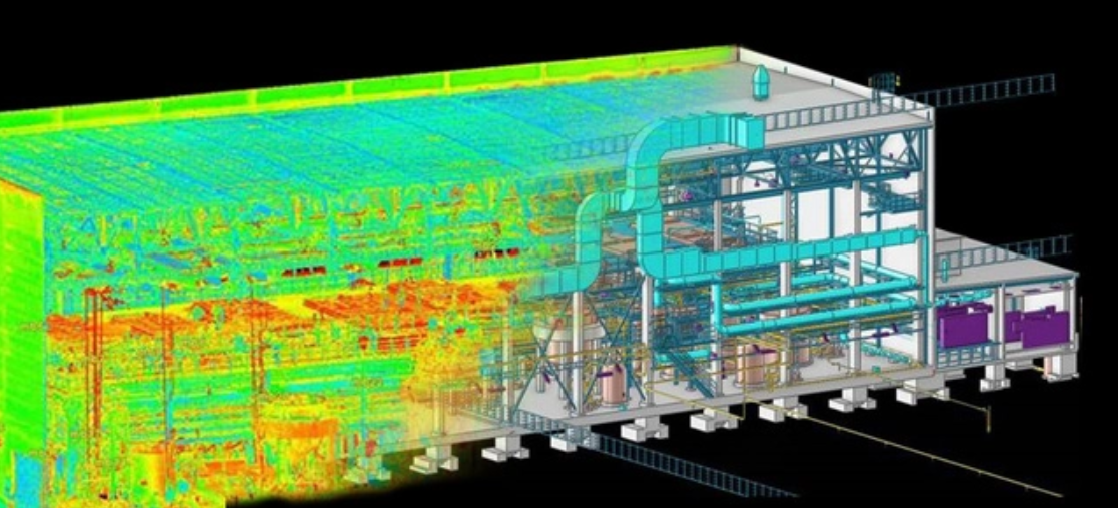
Some of the most practical uses of AI are already embedded in tools many VDC professionals are experimenting with. For example, ClearEdge EdgeWise uses AI to automate portions of the Scan-to-BIM workflow, extracting pipes, walls, and structural elements directly from point cloud data. Companies like Integrated Projects are pushing machine learning even further, using AI to convert scans into usable models with increasing efficiency.
On the document side, Amplify is working to turn 2D PDFs into BIM models — with varying levels of success but a clear indication of where the technology is heading. And beyond these dedicated platforms, even general AI tools are finding their way into daily workflows. Systems like ChatGPT, Google’s Gemini CLI, or Lovable can help quickly generate Dynamo scripts, Revit plugins, AutoCAD LISPs, or Grasshopper definitions. They can also assist in extracting key data from massive PDF sets, automating repetitive tasks that once consumed hours of manual work.
Better Use of Project Data
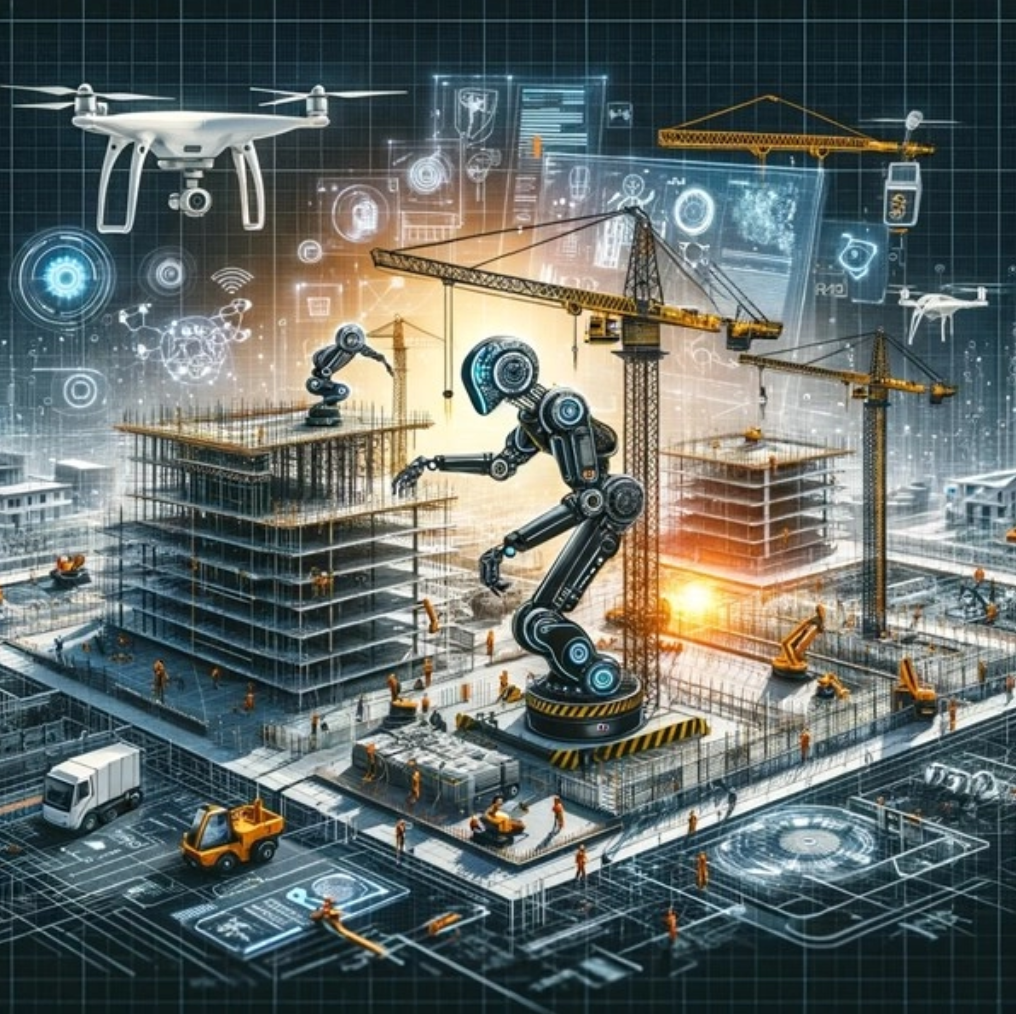
Construction generates massive amounts of data — from models, schedules, and RFIs to on-site observations. AI provides the tools to organize, analyze, and surface insights from this information. This means VDC managers can spend less time digging through files and more time making informed choices.
Conclusion
AI in VDC isn’t about replacing human expertise — it’s about amplifying it. From tools like EdgeWise and Amplify to the practical use of AI assistants for coding and automation, the benefits are already tangible. By predicting risks, improving scheduling, and automating repetitive tasks, AI is helping teams build smarter and with more confidence. For companies willing to cut through the hype and adopt AI strategically, the payoff is already here.