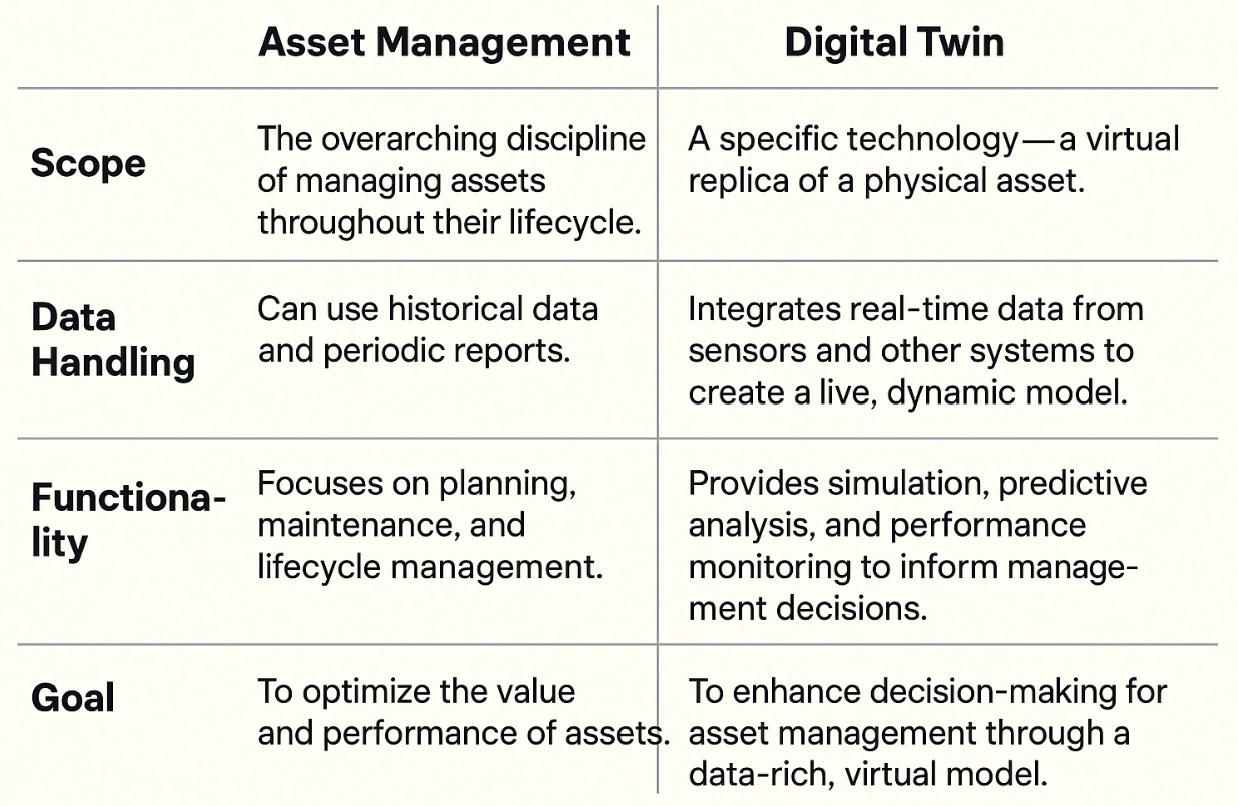


In part 2 of the Asset Management blog series, we looked at the role of asset management as the skeleton of building facilities operation and management. We will take a look at the role of digital twins, a virtual copy of the building that facilitates information flow for owners and building managers to better maintain their constructed assets for longer life.
Digital twins can be likened to organs in the human body for building management. We can use the analogy of homeostasis, a process where our bodies autonomously sense differentiation from the norm and send hormones to various organs in the body to respond. Through digital twins, sensors detect changes in the building (sensors in the body), send signals (hormones) to the MEP system, and the units in the building respond (organs) to make the building more comfortable for its occupants.
Digital Twins and AI
The recent development of AI models will take the role of digital twins to the next level in building and facilities maintenance. Even with a digital twin set up for their facility, owners had to constantly monitor the flow of information as sensors only provide the facts and numbers and not the appropriate response to the data.
Enter AI, the brains of the digital twin operation. Digital twins set up with AI are now able to do the data digestion and provide a primary response to liberate owners from having to constantly and repetitively monitor the conditions of their facility.
A Different Look
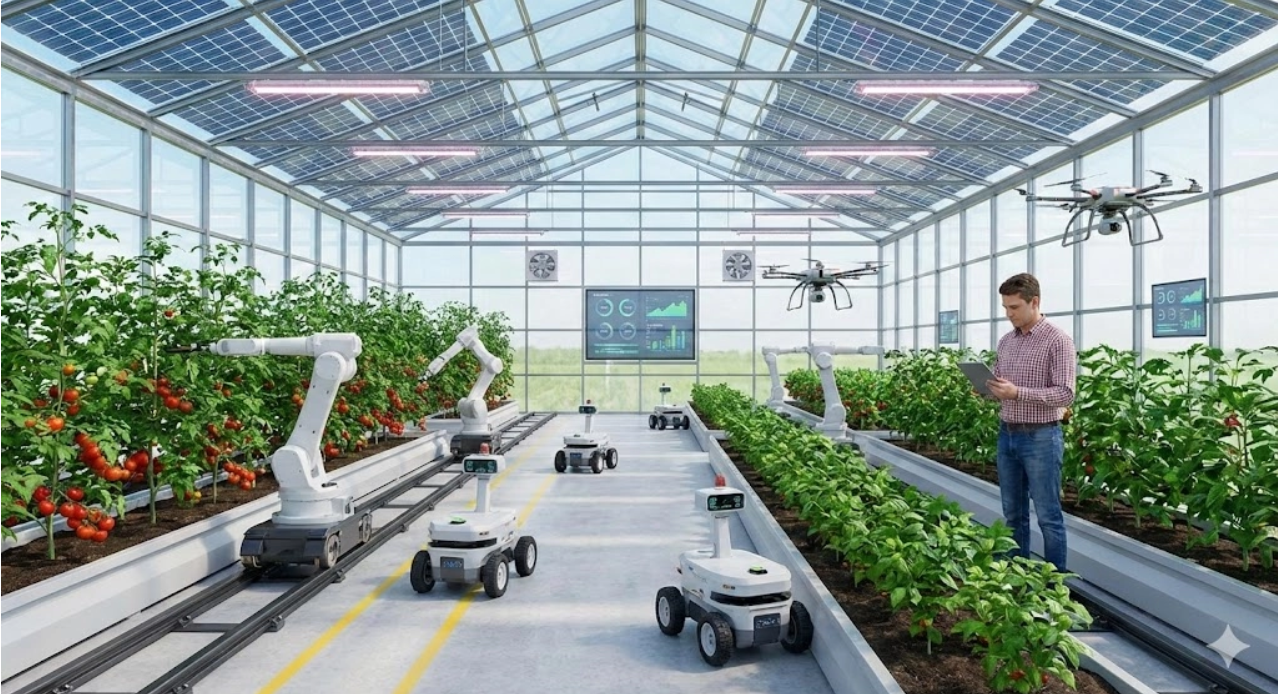
Take for example a very simple system of autonomous greenhouses currently deployed in rural Korea. This is where the concentration of population in major cities has all but depleted personnel to manage and maintain farms. Through a mixture of IoT (Internet of Things) and AI, entrepreneurs have come up with the solution to the problem of a shortage of labor by running the maintenance and production through digital twins. Sensors within the greenhouses detect changes in humidity, sunlight, and plant conditions and respond by spraying water, adjusting the lighting levels, while alerting the owners to maintain the crop.
A Look into the Future
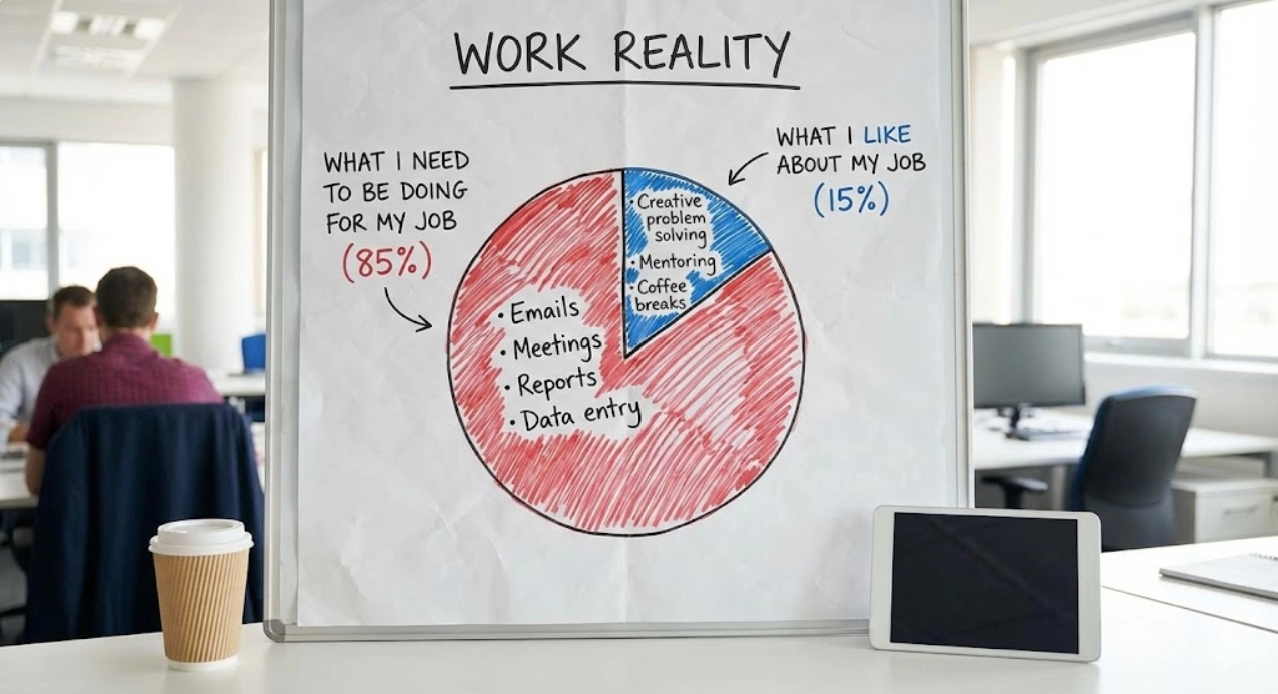
So will AI take all the jobs related to facility maintenance too? Although the AI boom is generating a lot of buzz in the technology industry today, the greatest wins to businesses are coming in the form of optimization. Even in a creative industry like gaming, teams are leveraging AI to do things like checking thousands of script lines - work that would take a human hours and do them within minutes. Through AI, time-sink tasks important to execution but not the success of the overall product is freeing up creatives who used to have large chunks of time lost to tasks that are important but do not add value.
Conclusion
A few thoughts as we wrap up: Digital twins play a critical role in defending the value of the property for owners. Buildings depreciate in value the moment substantial completion is reached, and owners are faced with the burden of finding creative solutions. Asset management provides the framework for digitized facilities operation, and digital twins are deployed to maintain their asset and retain value for years to come. the table below summarizes the similarities and differences between asset management and digital twins.