


Laser scanning and reality capture are powerful tools — but like any technology, they’re only as good as the data you feed them. The difference between a scan that drives value and one that causes headaches often comes down to preparation. Here’s how to set the stage for scanning success.
Consider Daylight, Weather, and Site Access
Exterior scans can be affected by direct sunlight, shadows, or rain, while interior scans may be impacted by low light. Planning scans around daylight and weather conditions helps ensure cleaner data capture. Controlled-access areas, regardless of exterior or interior should also be prioritized early, so that restricted rooms or secure spaces aren’t missed due to scheduling conflicts.
Plan the Scan Path
Scanning isn’t just about setting up the equipment and pressing “GO.” Careful planning of scanner positions at the inception ensures full coverage and minimizes blind spots. For SLAM-based scanning, think about loop closure: slowly entering and exiting rooms, managing large feature changes, and ensuring loops are completed to reduce drift.
Use Control Points and Targets Wisely
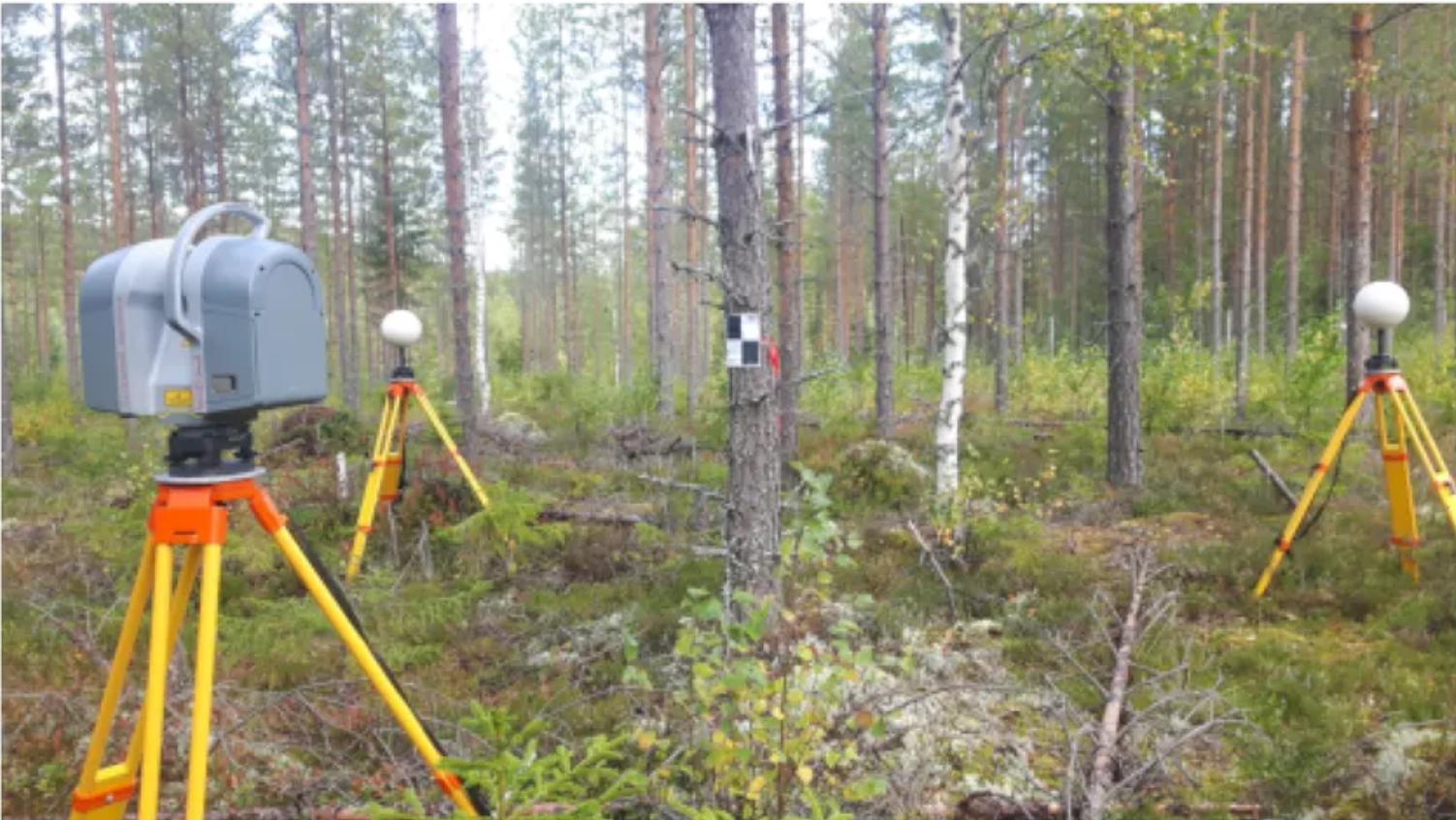
While modern scanners don’t always require physical targets or control points, they remain critical in many contexts. Projects spanning multiple floors, large campuses, or varying conditions, control points help maintain alignment. This holds true for the first scan and integrating subsequent scans. In construction environments, coordinate with the site team to place targets or control markers in safe, stable locations that won’t move during ongoing work. Areas with few features, or where drift could occur, will especially benefit from strategically placed targets
Equally important is documenting where the control points, targets and problem areas are located. This record helps whoever performs processing or registration after the scan is complete — especially if they weren’t the person who performed the scan.
Control the Environment
Movement and reflective surfaces can distort results. Limit foot traffic during scans to avoid ghosting, and mark shiny or glass surfaces to reduce noise. These small steps can make big differences in final data quality.

Communicate With Stakeholders
Finally, scanning is a collaborative effort. Make sure stakeholders know when and where scanning will occur, and that site teams understand the importance of protecting control markers and scan paths. Clear communication keeps the process efficient and avoids unnecessary rework.
Conclusion
Good planning at the start means fewer delays and better results. By planning around daylight and access, using control points thoughtfully, and keeping communication clear, you make sure that the investment in scanning pays off with accurate, usable information.