

In part 3 of this series, we looked at the technical challenges presented to architects and designers that are already constrained for time. D5 Render’s strengths as a real time rendering engine is a game changer for architects, allowing them to reduce miscommunication and remain on the same page as their clients. In addition, real time rendering is enabling architects to take storytelling concepts from cinematography to captivate and inspire clients. Today, we’ll also take look at the role of virtual walkthroughs, cinematic fly-arounds, VR, AR, and other visualization mediums being generated today.

We live in a world where holding people’s attention is becoming increasingly difficult, with information and entertainment constantly available at our fingertips. Our lives are overflowing with dopamine hits from the reels and shorts of entertainment. Sadly, many people no longer have the patience to sit in front of majestic works of art to consider every brushstroke and paint layers. The only way to keep a grip on people’s hearts is to inspire, engage, and entertain, and the architecture field needed to evolve.
Enter cinematography and animation based storytelling in the architecture space. Gone are the days of Rem Koolhaas or Bjarke Ingels standing in front of physical models at competitions to explain the design concept. Now it’s all about the cinematic building flythroughs from Studio Tim Fu or Atchain that take the spotlight - it’s no longer enough to sell the concept of a space with a sketch. Those in the AEC industry are now tasked to tell a compelling story of their commissioned space by fleshing out the atmosphere, ambiance, lighting, sounds, types of people, cars, furniture, plants, temperature, and more. Below are the most representative storytelling mediums being generated through tools like D5 in the world today.
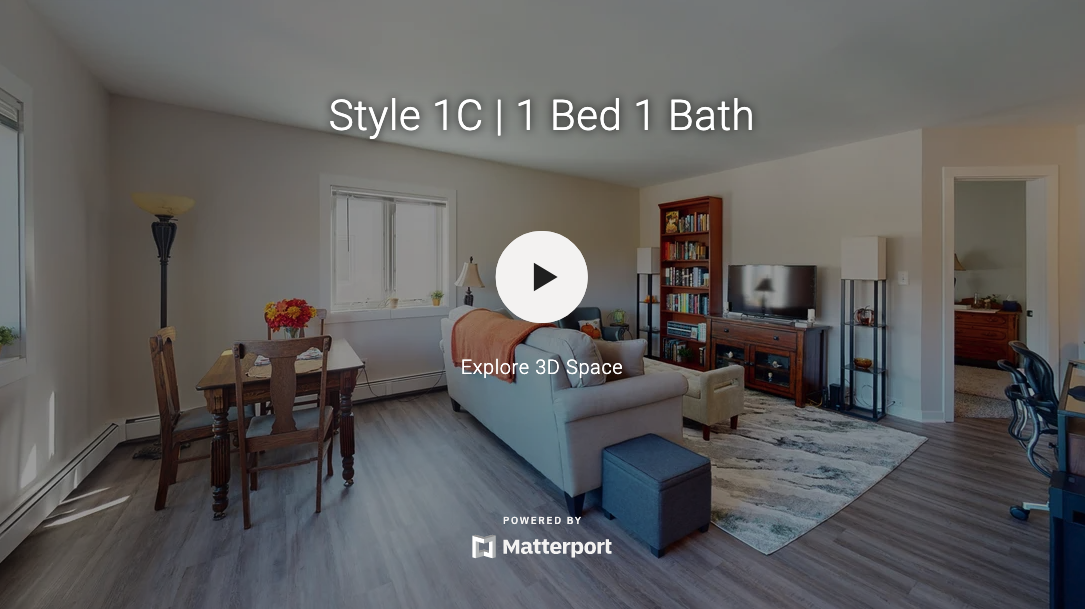
1. Virtual Walkthroughs
3D tours have become essential in the real estate world. How does the furniture layout differ between living in a 800 sq ft space vs 900? Model houses still exist, but a virtual model house not only releases several model units for rent, but also is able to paint an accurate picture for future residents who do not have to guess whether their current sofa fits into their prospective space. Once again, not everyone is an architect that can map out entire buildings and their spatial capacities in their heads with just a plan drawing.
2. Virtual Reality
Although the hardware has not become as commonplace as quickly as originally anticipated, Virtual Reality (VR) has come a long way in terms of improving the visual quality of virtual experiences. Immersive space explorations are no longer pixelated, low resolution representations. Virtual reality experiences now allow for dynamic interactivity and engagement via floating design option buttons to change paint, furniture, lighting, layouts, etc.
This allows clients to fully immerse and captivate clients into the 3D space of their building to “feel” or “live out” the space long before a shovel hits the ground. With individualized VR spheres that contain entire real life neighborhoods being re-made in VR today - perhaps there will be a VR based market for architects in the future? The client interacting with the world as the main character is no longer just a video game fantasy, but a lived experience - literal virtual reality.
3. Augmented Reality (AR) / Extended Reality (XR)
We are not yet at the point of cybernetics being implanted into human brains yet, but Smartphones are essentially appendages for humans to send and receive information. Many points of interest, such as plazas or museums, are now adding color commentary through AR / XR to add value to the client’s experience.
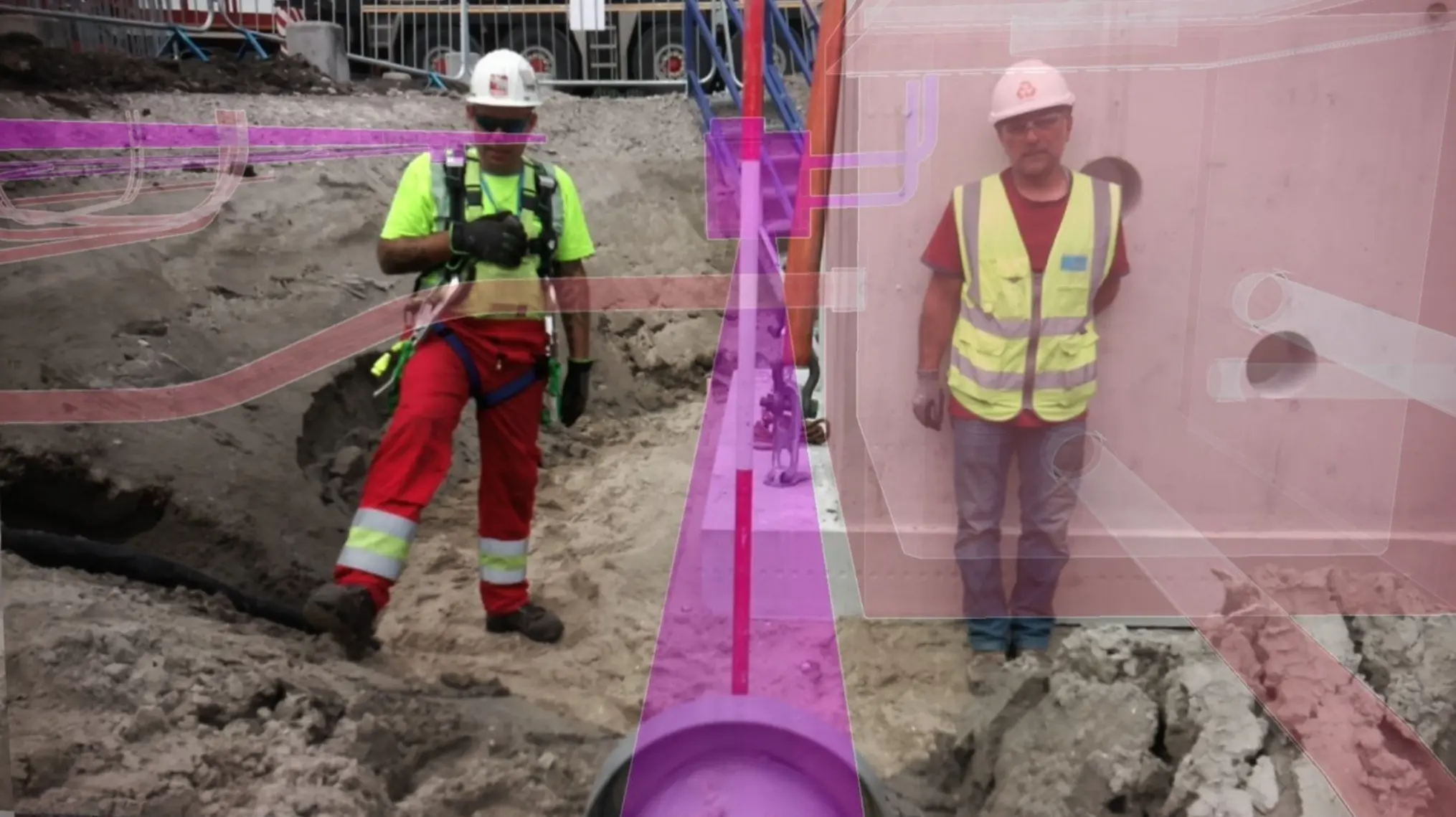
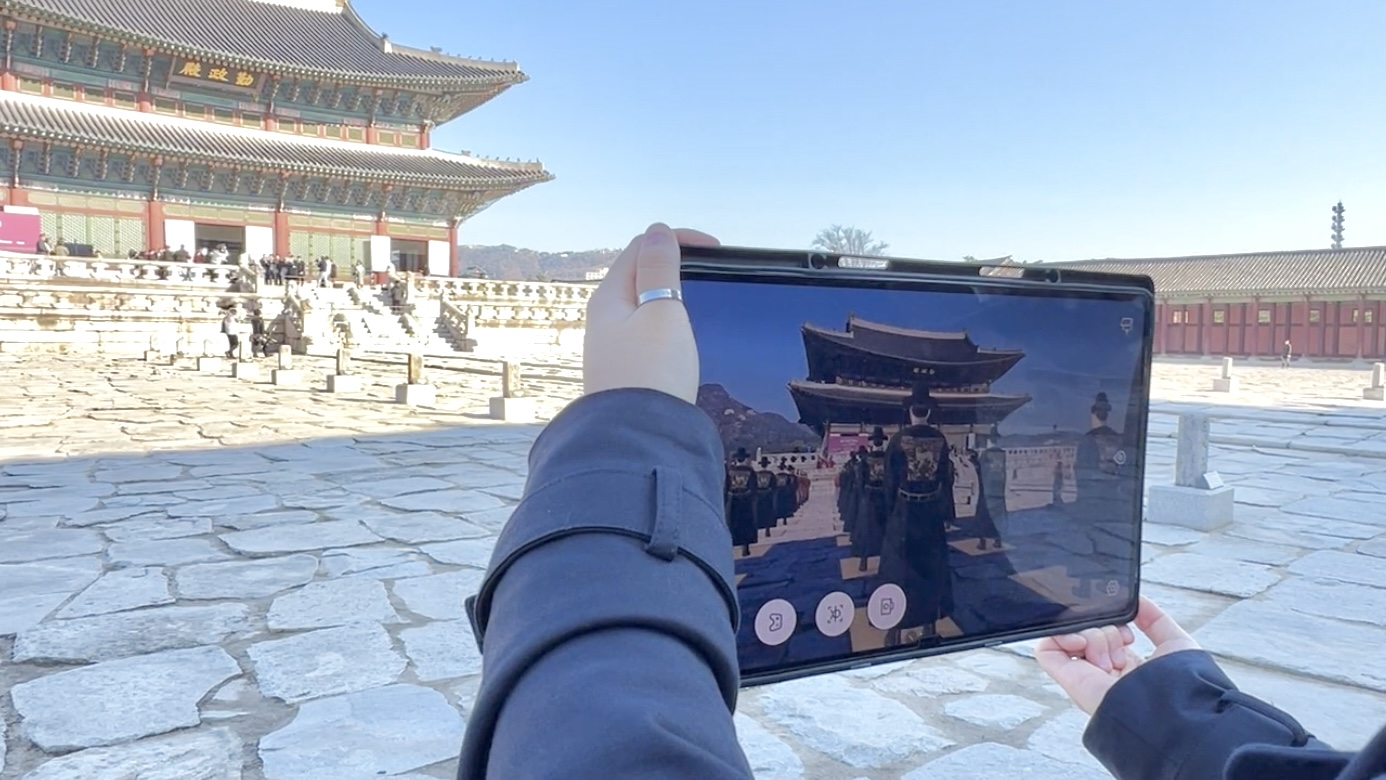 AR has also invaded into construction sites, reducing site errors and increasing construction precision. Digital twins of buildings are being virtually developed long before real life construction begins. Farms are being run with AI-Agent robots that determine the appropriate temperature, humidity, and soil makeup to bring out the best fruits. BIM is no longer just Building Information Modeling, it’s Building Information Management. The digital world is impacting people’s lives more than ever before.
4. Cinematic Flythroughs
See Below:
5. AI content generation
Now you can go from this still image below: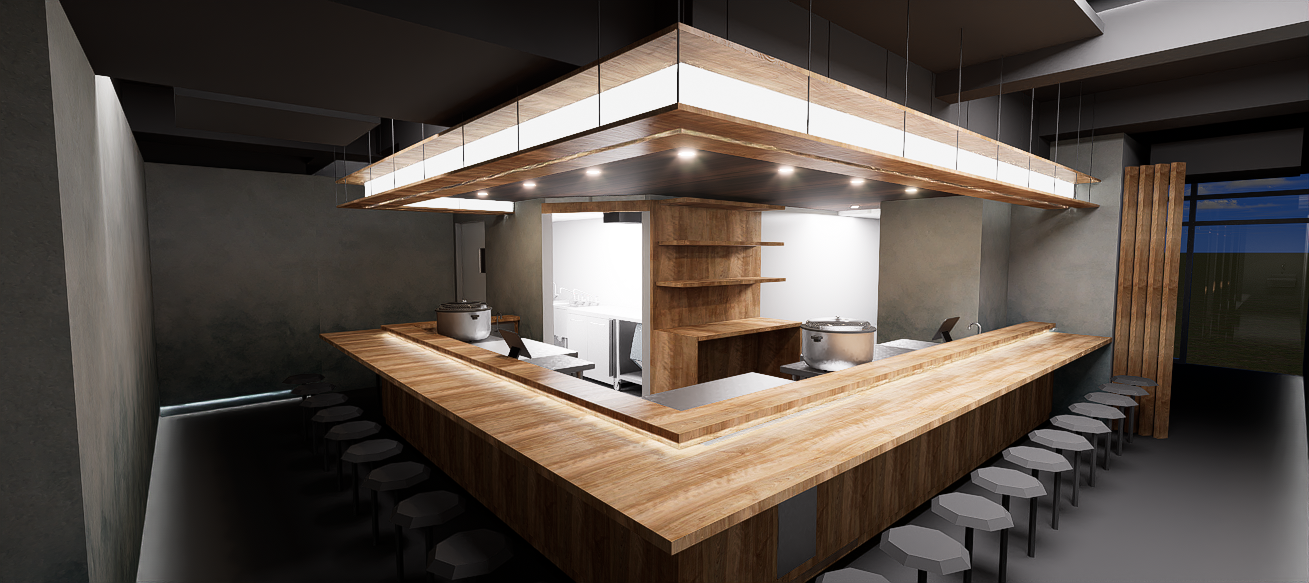
6. Concluding thoughts
The advent of AI may automate and expedite many manual processes that used to take a long time, but it will never replace the human from the decision making process. Virtual walkthroughs, cinematic videos, VR, AR, and other mediums are taking the client closer to the finished product of the designed space harder, better, faster, stronger than ever before.
I would distill the trends in visualization with the following 3 principles:
- A message: cinematic storytelling principles and concepts with the client as the main character
- A captive audience: interactivity & engagement is a keystone in modern video gaming
- A new player: leveraging AI to augment, imagine, and optimize experiences
The AEC industry is now free from the 2D apparatuses of pen and paper representations of old. We can already “live” in the live 3D space here and now through BIM. Clients are seeing the entire building and believing in it during development, not after construction finishes on site. Software like D5 are paving the way for real time rendering to generate and produce content at high volume at warp speeds. The end products of BIM are not just a rendered images, it’s AR, VR, Cinematic flythroughs that tell the story of the building being virtually built up, and the virtual world interacts and affects the physical.
What is the future of architectural visualization? The future is already upon us.